
An Apex Adventure - search for the Iberian Lynx - Part 1 of 2 maybe 3.
Intro
The first time you see an Iberian lynx, it doesn’t announce itself. There’s no sound, no warning — just a shape where there wasn’t one before.
This is the story of how I spent 40 hours sitting in a dark hide in southern Spain, hoping to see one of Europe’s rarest predators.
Days 0 - 2
Day 0 - A Case of the Colds & the Art of Packing (Poorly)
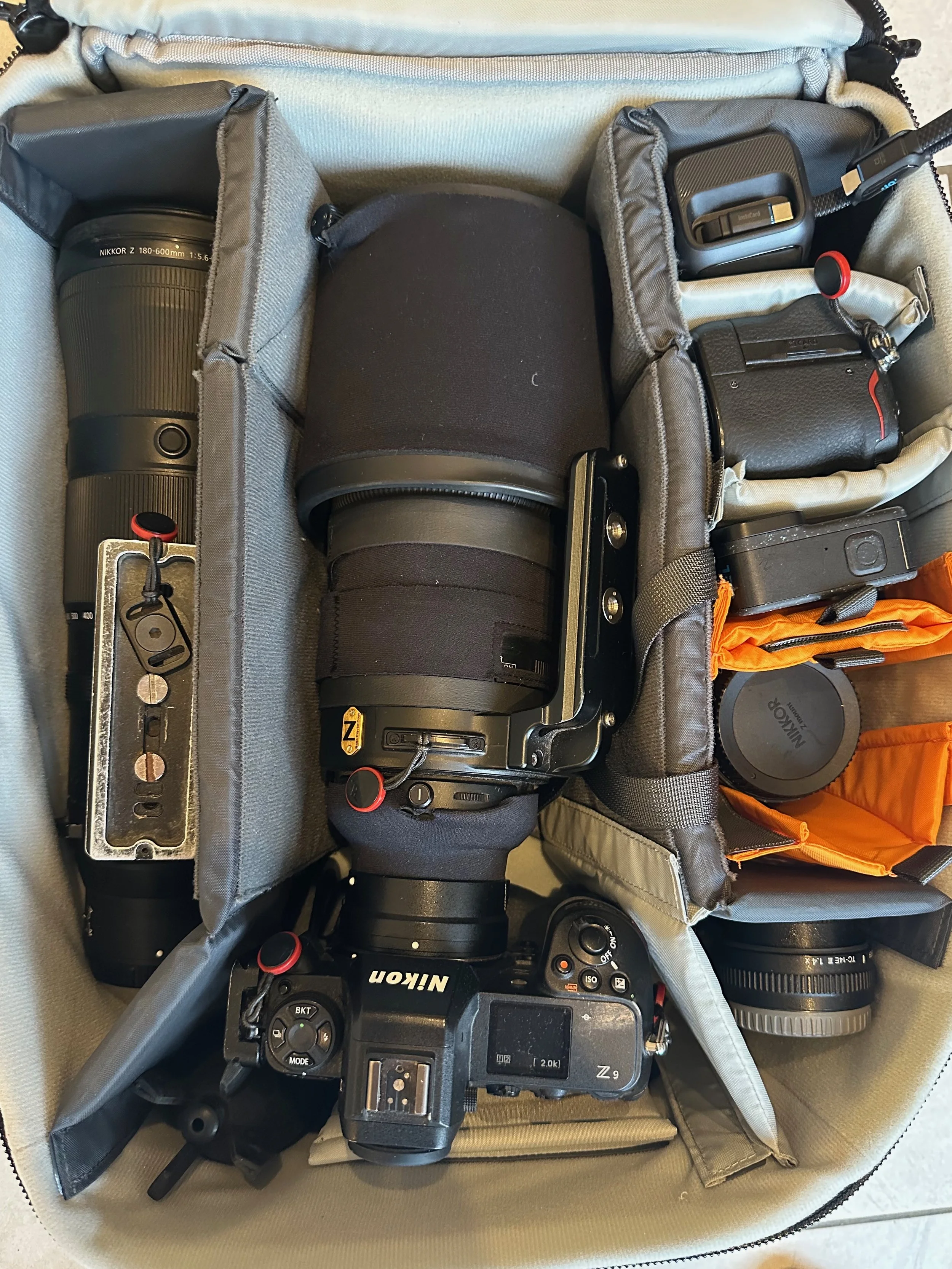
Too much gear
Packing for a photography trip is stressful. Packing for a wildlife photography trip — with airline weight limits hovering around 23kg is something else entirely.
I’d booked the day off work with the intention of packing calmly and methodically. Instead, I spent most of it in bed, fighting off a cold kindly passed on by my youngest child. Eventually, after a nap and a liberal dose of cold and flu tablets, I accepted that packing wasn’t going to do itself.
The questions were familiar:
What to take? How to pack? And would I be paying excess baggage fees?
My main camera was my Nikon Z9. Lens choice was the real dilemma. My go-to this year has been my 300mm f/2.8 — an older lens, but one that has barely left the camera since I bought it.
The 300mm felt right for low-light work in a hide, but doubt lingered. What if the lynx stayed further away? The compromise was a 1.4× teleconverter, which went straight into the bag.
A 70–200mm followed for potential closer than expected encounters.
A backup body was non-negotiable. The Nikon Z6 II joined the kit — not my favourite wildlife camera, but far better than no backup at all. A 24–70mm f/4 came along for landscapes and general use. In truth though it rarely leaves my bag anyway.
All of it went into my Lowepro Pro Trekker 550 AW II — bodies, lenses, batteries, chargers zipped closed with just enough room left to pretend it qualified as carry-on.
Into the bag also went 2 gopros which i never used, i just forgot they existed.
The tripod, a Manfrotto carbon 055 and Benro GH2 gimbal went into the suitcase along with a hide clamp and a ball head, neither of those ever got used. I had considered taking my video head, but mistakenly decided that the gimbal was the better option.
Packing done.
Or so I thought.
At around 10 p.m., doubt crept back in. Shooting primes is fine — preferred, even — but flexibility matters when you don’t know exactly what you’ll face. I’d done my homework. Everything said 300mm was plenty. Adam had even reassured me over a instrgram conversation a few days prior.
Still, it niggled.
At 11:30 p.m. the 180–600mm joined the camera bag.
Sleep followed, or rather, the intention of it.
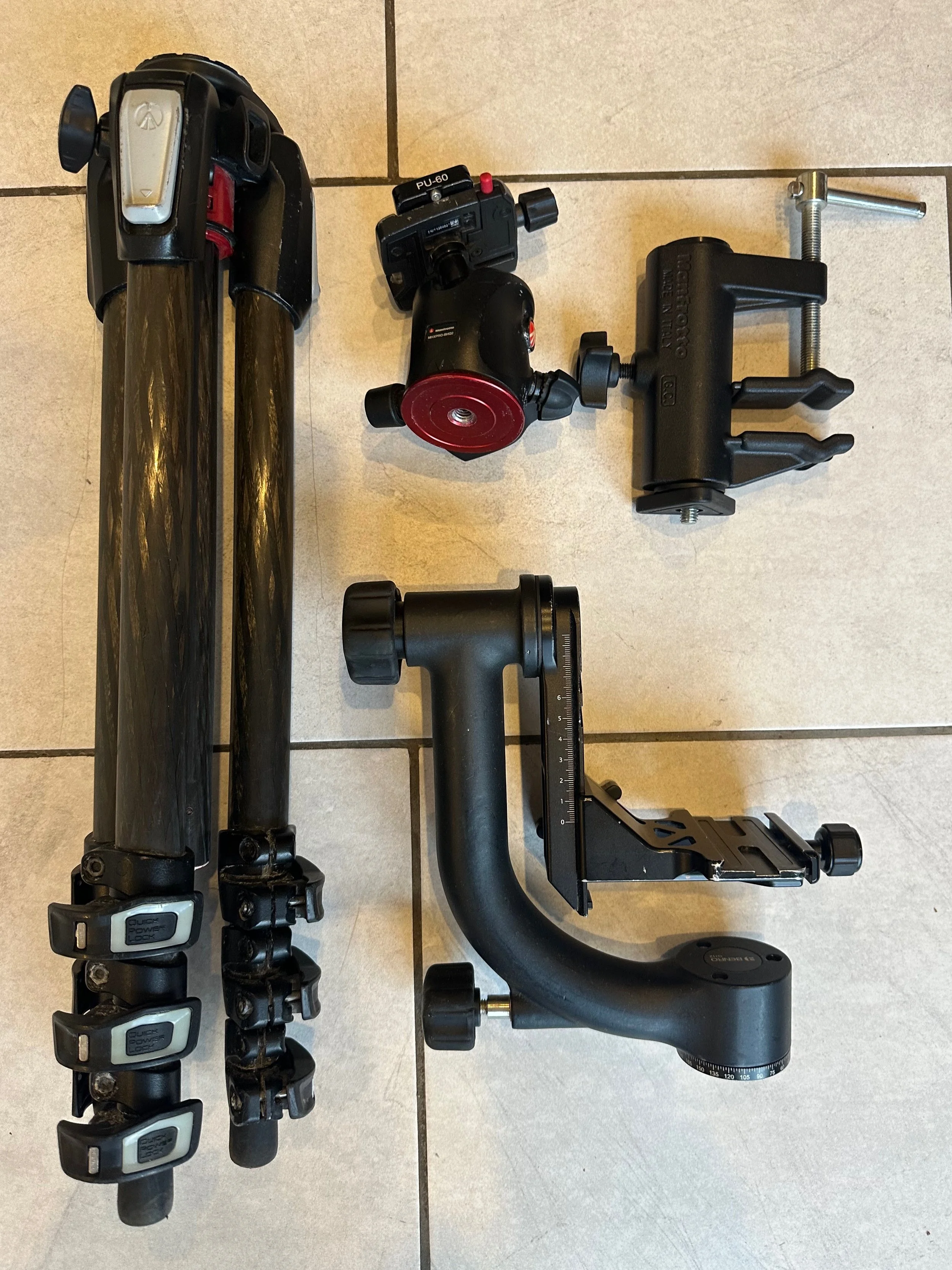
Tripods and Accessories
-
Nikon z9
Nikon 300mm f2.8
Nikon 70-200 f2.8
1.4x TC
180-600 (yep Nikon)
Nikon z6ii
24-70 f4
Gopro 12 x2
Anker Power Bank
Manfrotto 055XPRO 4 Tripod
Benro GH2 Gimbal Head
Manfrotto Ball Head
Manfrotto hide clamp
Day 1 travel, early mornings suck!
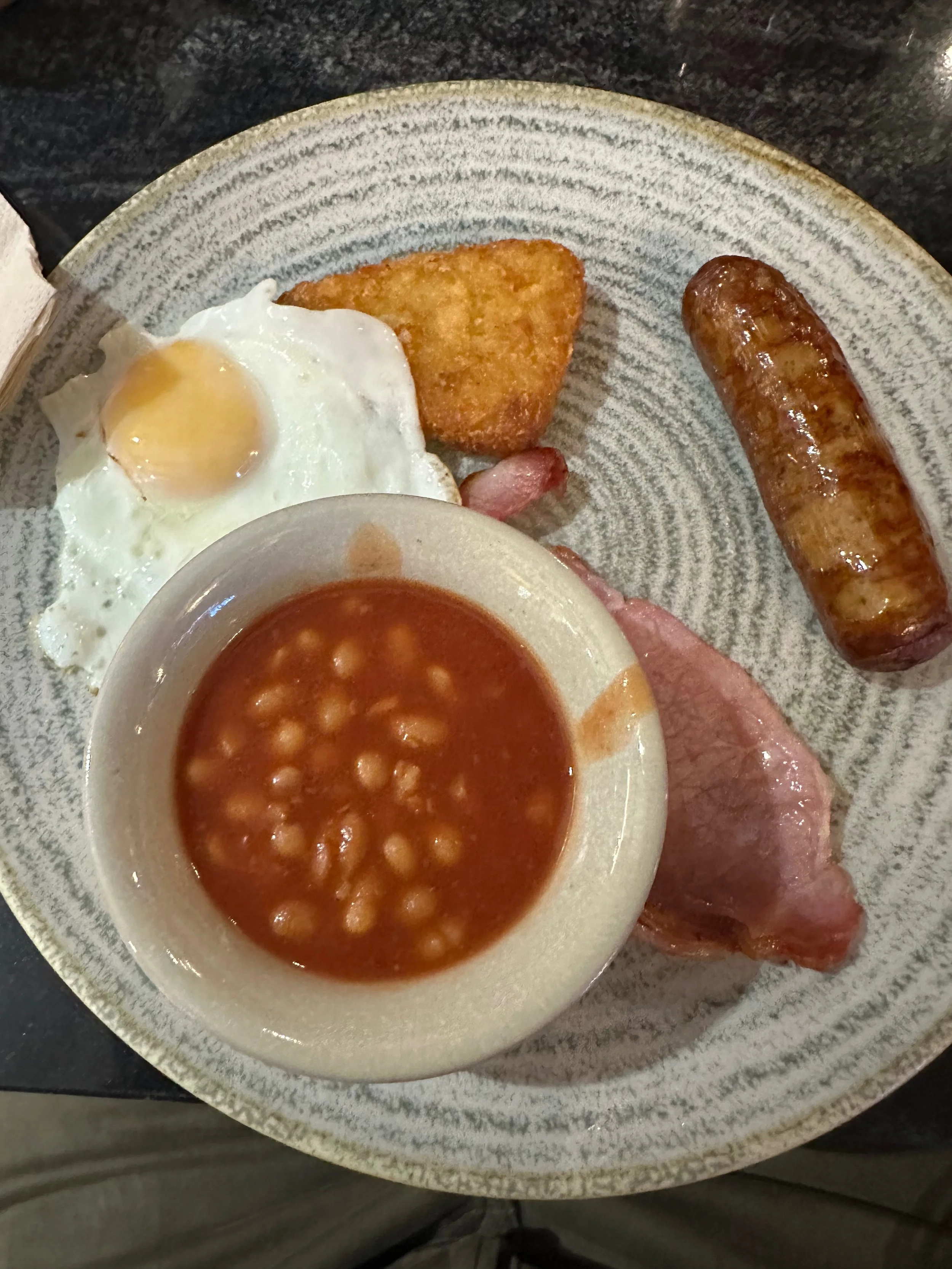
Pathetic breakfast from weatherspoons
Except there was no sleep.
Early mornings suck. I do not enjoy getting out of bed.
This one was worse — because I didn’t sleep at all. Not a wink. When 4 a.m. rolled around, there was only one option: get up.
The solution was coffee. Lots of it. Followed by more cold and flu tablets, because the cold was still very much hanging on.
Passport. Wallet. Phone. Camera bag. Suitcase. Check.
Marc and I met up, and at 5 a.m. on the dot, Ashley — our cheerful taxi driver arrived. While he was bright and chatty, I was tired and slightly grumpy. We loaded the camera bags and suitcases into the boot and began the two-hour drive to London Heathrow.
Miraculously, no drama around Oxford. A small win.
At the airport, baggage drop was — of course — at the opposite end of the terminal. We walked. It was fine. I wasn’t tired at all. Honestly.
An awkward moment at check-in:
“New passport, sir?”, Cue a hurried signature!
Bags dropped, security sailed through, suddenly flying felt deceptively easy.
Time for breakfast. We passed the duty-free shops, briefly contemplating gifts for family back home, but the combination of no sleep, harsh lighting, and the thought of interacting with more humans quickly killed that idea. Marc suggested Wetherspoons. I lacked the energy to argue or offer any alternative.
I ordered the “small breakfast,” which really should have been labelled The Pathetic Breakfast, opting for a coke rather than more coffee.
Breakfast consumed, we were joined by our hosts for the trip Mike and Adam along with an additional guest Martyn. We chatted all things photography until our boarding gate announcement. Predictably at the opposite end of the terminal. More walking.
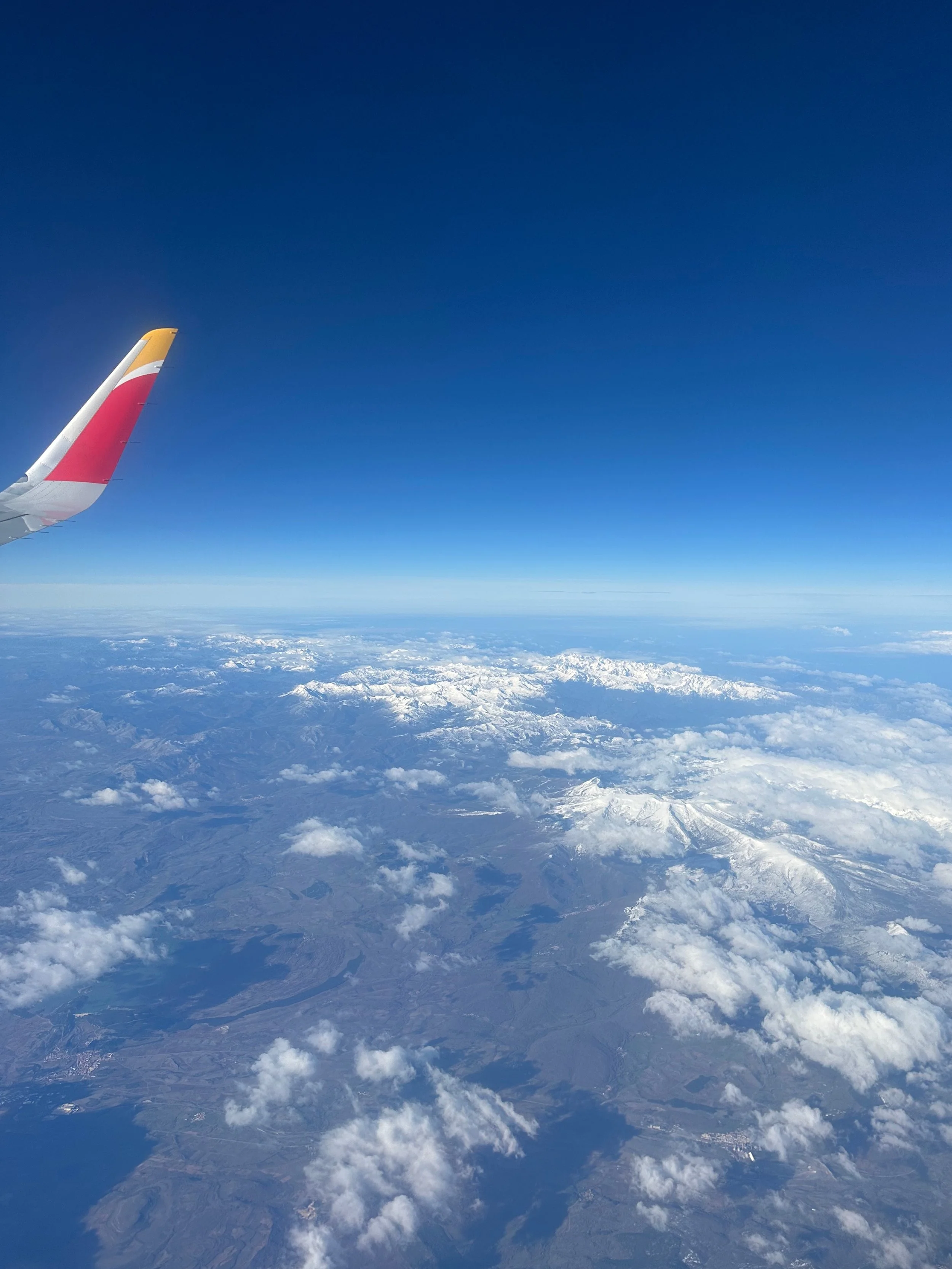
Somewhere over Spain
Boarding, At Last
The gate was busy. The boarding process felt anything but efficient. I stood there, the Pro Trekker on my shoulders, desperately pretending it didn’t weigh as much as a small child.
Eventually, boarding passes were scanned, passports checked, and we shuffled down the cold corridor toward the aircraft.
boarding the aircraft I stashed the camera bag in the overhead locker, along with my laptop and collapsed into my seat.
The safety demonstration followed, delivered with the enthusiasm of a child forced to take part in the school Christmas play.
Pushback. Taxiing. More taxiing. What felt like 30 minutes of driving from one end of Heathrow to the other.
Finally, the aircraft lined up on the runway. Engines roared, flaps moved, hydraulics groaned — and suddenly we were airborne.
There was no in-flight entertainment, and the Wi-Fi wasn’t working. Thankfully, I’d downloaded Prehistoric Planet the single piece of competent planning I’d managed. Snacks and drinks, however, were overlooked. Rookie mistake.
The landing in Spain was… uncomfortable to say the least. From the window, the weather looked glorious — bright sunshine.
Stepping off the plane, though, the cold hit immediately.
Immigration followed. The electronic gates failed. Manual stamp applied.
Welcome to Spain.
Avengers assemble! We grew from five to seven with the addition of Kerry and Richard. We loaded into a minibus with a trailer for gear and headed to the hotel.
The drive from Madrid to Santa Cruz de Mudela would take just over two hours. The landscape stretched wide and open, mostly flat but occasionally interrupted by rugged terrain and rolling hills. From my seat in the minibus, I watched the scenery glide past: endless olive groves and vineyards lined the roadside, while small villages punctuated the route, each with weathered stone houses, rustic churches, and the occasional roadside café. Everywhere, signs of the past lingered—abandoned buildings whispering stories of lives once lived.
We arrived at the hotel around 4pm and checked in, where we join the final member of the group the legendary Ingol from Iceland, Ingol had managed to arrive a day before, due to some hilarious confusion on his part.
Ingol had already spent a day in the hide with not much luck, until he was picked up on the way back and they spotted a lynx out of the vehicle window. He showed us a photo taken on his iPhone — dark and small in the frame — but it was proof they were here.
That was great news: there were lynx in the area. But would we actually see them in daylight, close enough to photograph? Pessimism began to creep in.
The group gathered for a drink at the local bar down the road. Beers were very much drank, just not by me. Still sick and propped up by cold and flu tablets, I was firmly on a self-imposed sabbatical from alcohol. While others toasted the start of the trip, I stuck to soft drinks and tried to convince myself I felt human.
Introductions were made properly this time, names matched to faces, and the nervous excitement of the first evening slowly settled into something more relaxed. Cameras were discussed, expectations quietly compared.
Dinner followed at a local restaurant a short journey away. Simple, delicious, and exactly what was needed after a long day of travel. By the time we returned to the hotel, exhaustion had fully caught up with me.
An early night was unavoidable.
Tomorrow: The hide.
Day 2 - First day in the Hide
The alarm went off at 6 a.m.
First things first, still feeling the effects of the cold i reached for the cold and flu tablets and a glass of water to wash them down with.
Next job I double-checked my gear: batteries charged, cards formatted, lenses packed back into camera bag. At 6:30, we met downstairs for much need coffee (at least for me) and breakfast before piling into the minibus around 7 a.m.
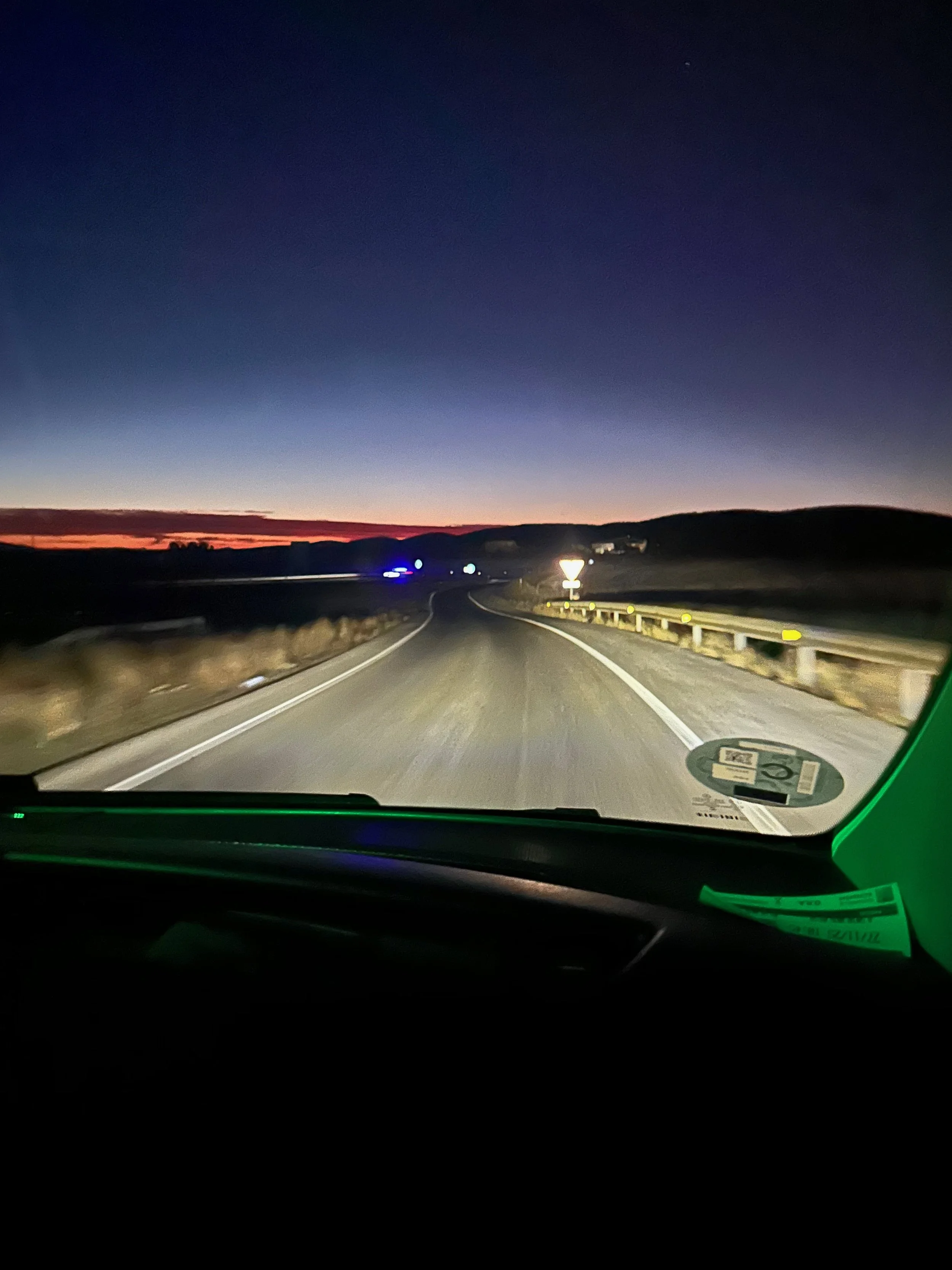
On route to the hide
It was dark and cold as we squeezed into the minibus. I was suddenly very glad I’d layered up — insulated trousers, a down jacket over a T-shirt and hoodie, and another jacket on top.
Despite being in southern Spain, December nights in Santa Cruz de Mudela can drop below freezing, and on our trip we woke to a hard frost on the ground most mornings, a reminder that stillness in a hide before dawn can feel much colder than the forecast suggests.
As we drove, anticipation built. Would we see a lynx at all? The pessimistic voice crept in. With a population of roughly 2,000 individuals, the Iberian lynx is rarer than the snow leopard.
About 15 minutes later, we arrived at the estate. We split into two groups and transferred into 4×4s for the final stretch. Outside, it was cold and frosty. The dirt track wound upward, and occasionally the headlights caught rabbits darting across the road — a reassuring sign that this was, indeed, lynx country.
We arrived at the hide in near darkness. Inside, it was large and pitch black. Using only torchlight, we set up as quietly as possible.
I mounted the Z9 with the 300mm f/2.8 onto the gimbal and dialled in my starting settings: f/2.8, 1/500 sec, Auto ISO.
The vehicles departed. Silence settled in and the wait began.
Appearance and Euphoria.
Without warning Bang! a large shape appeared beside the hide.
Gasps. Double takes.
A Lynx!
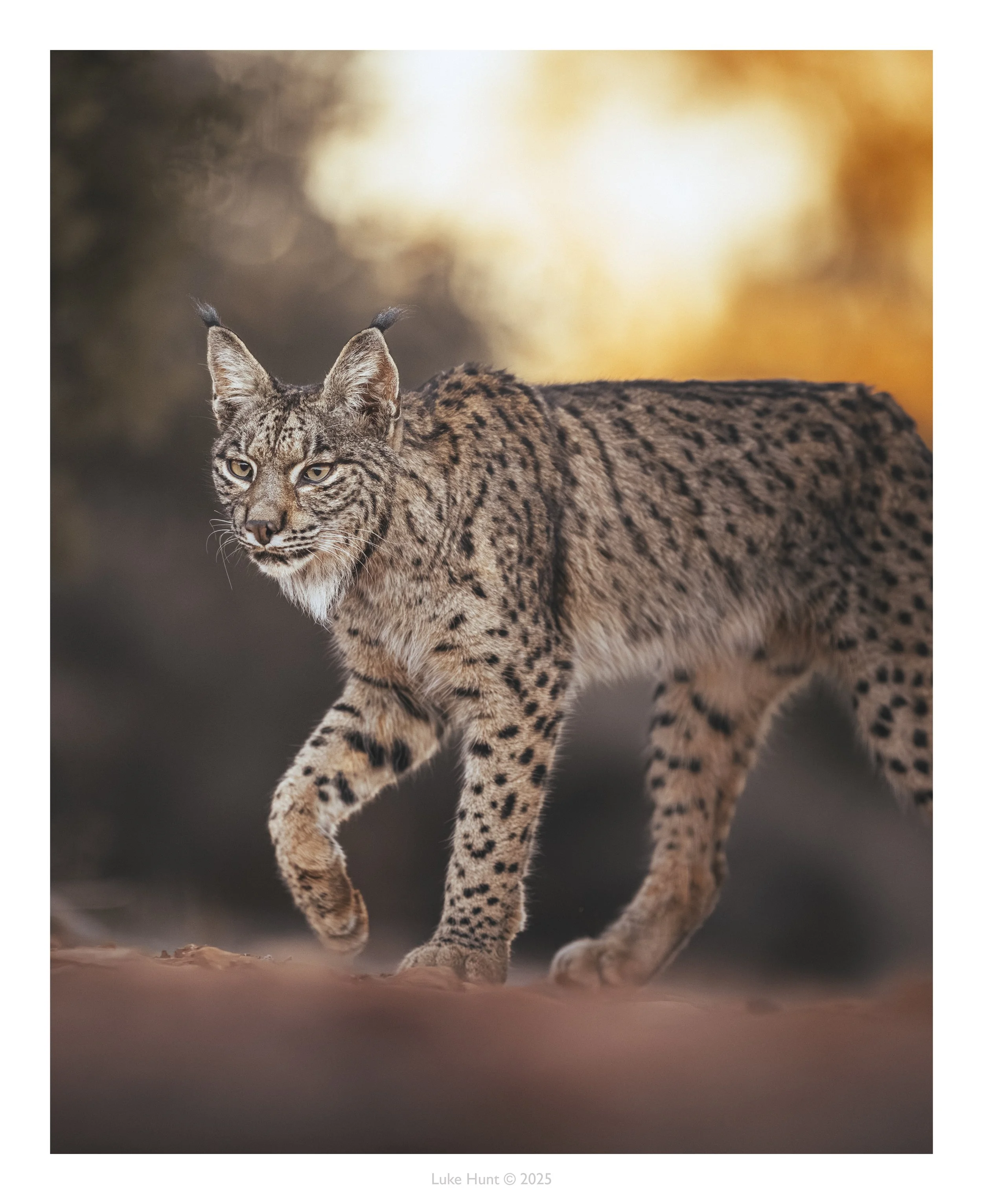
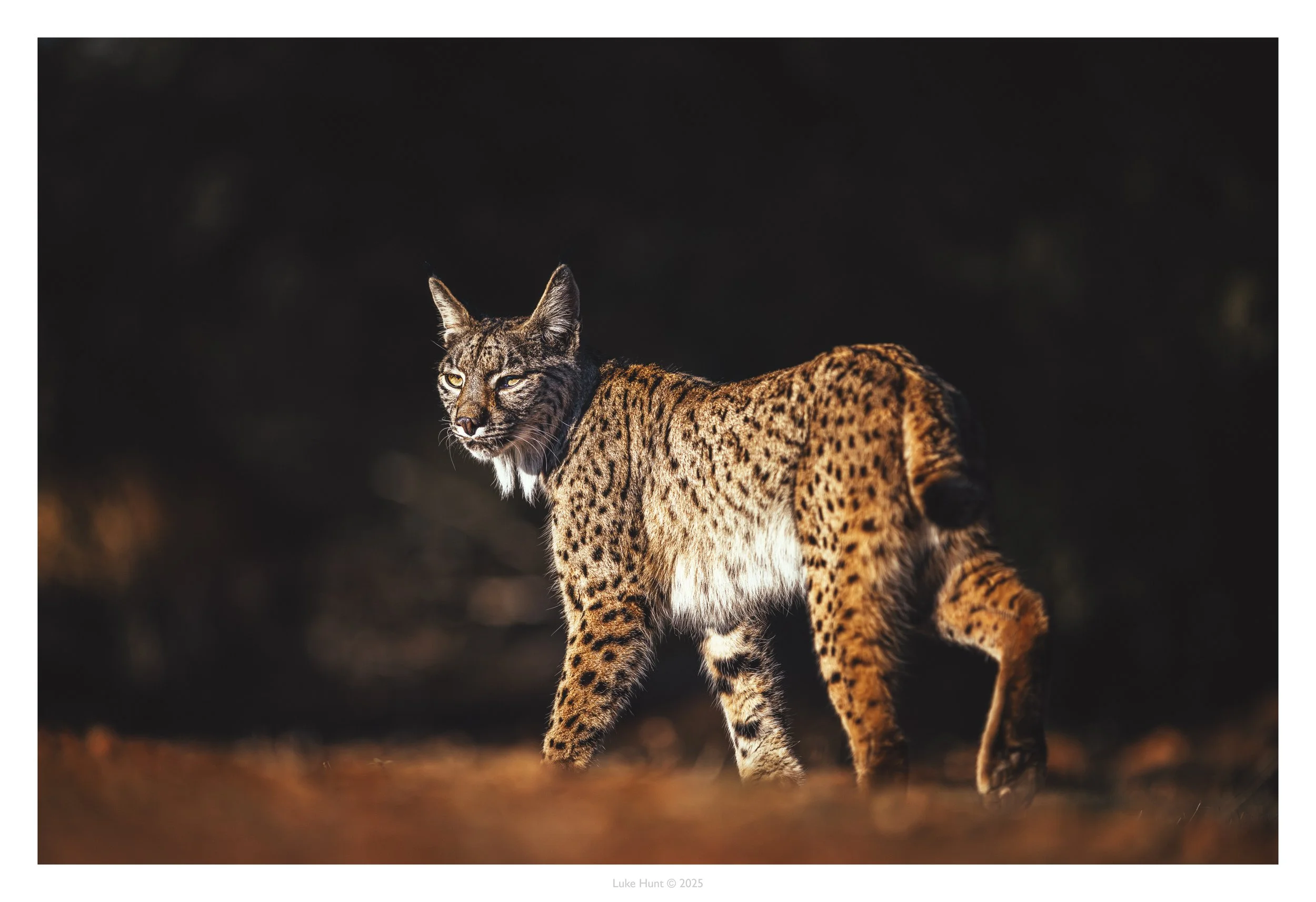
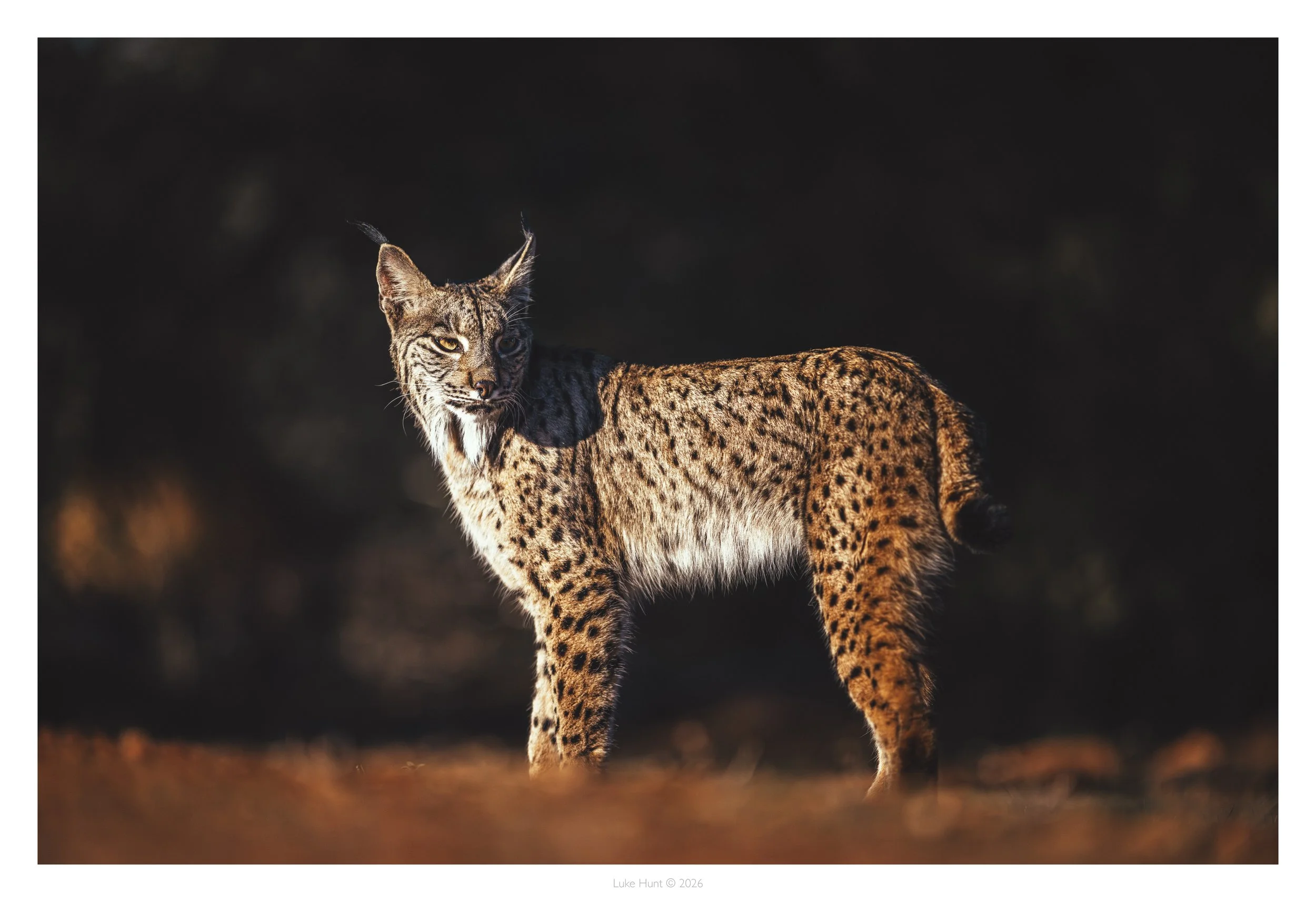
For a moment, my brain struggled to process it. The cat moved silently and confidently, ears twitching as it listened for prey in the undergrowth. Its back was to us at first, but then it stepped clear of the bushes and paused.
I didn’t even check my settings. I just shot.
Adrenaline surged. My heart raced.
And just as quickly as it arrived, the lynx melted away into the landscape.
The hide erupted in barely contained excitement. Smiles everywhere. Disbelief.
Surely it doesn’t get better than this.
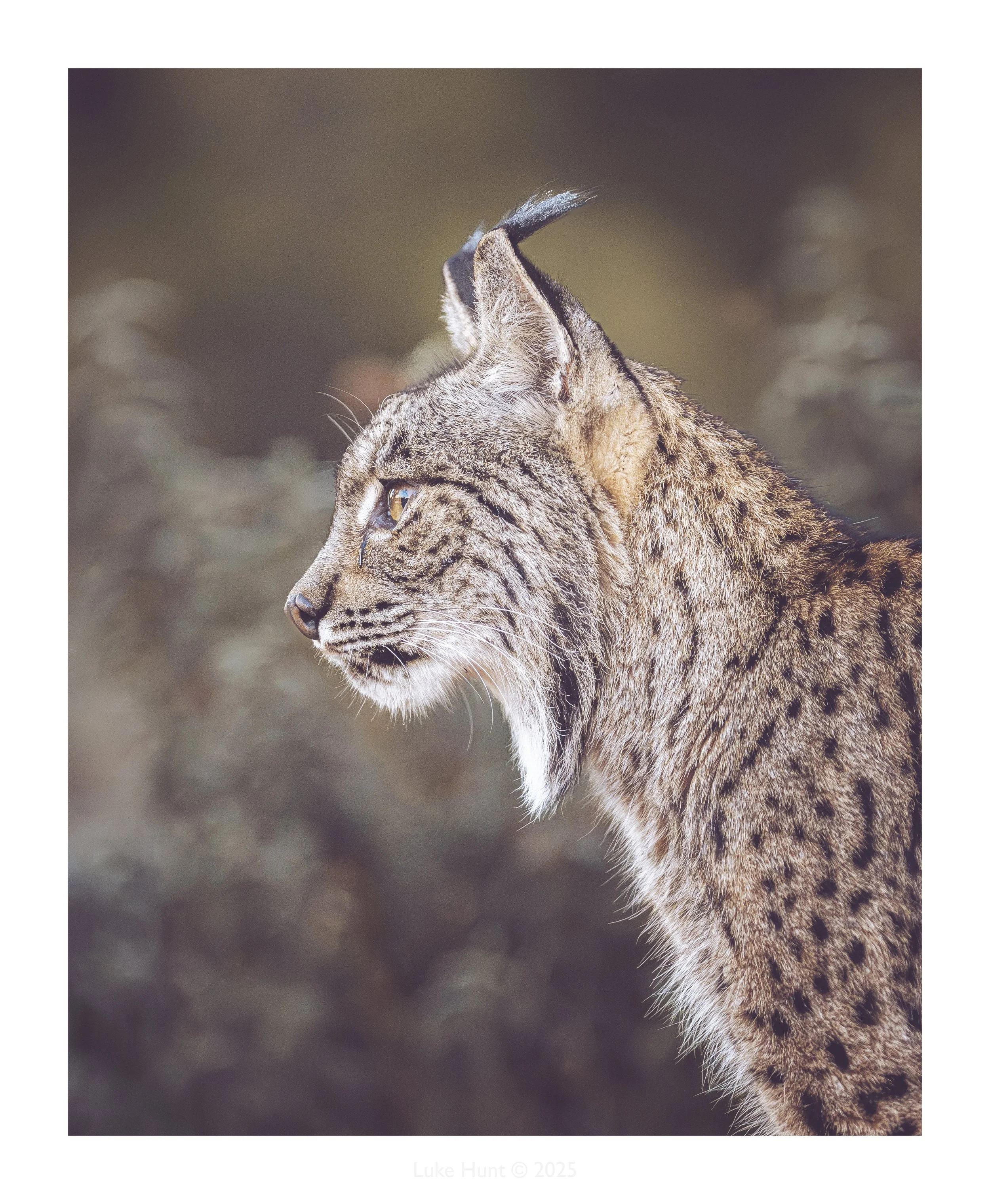
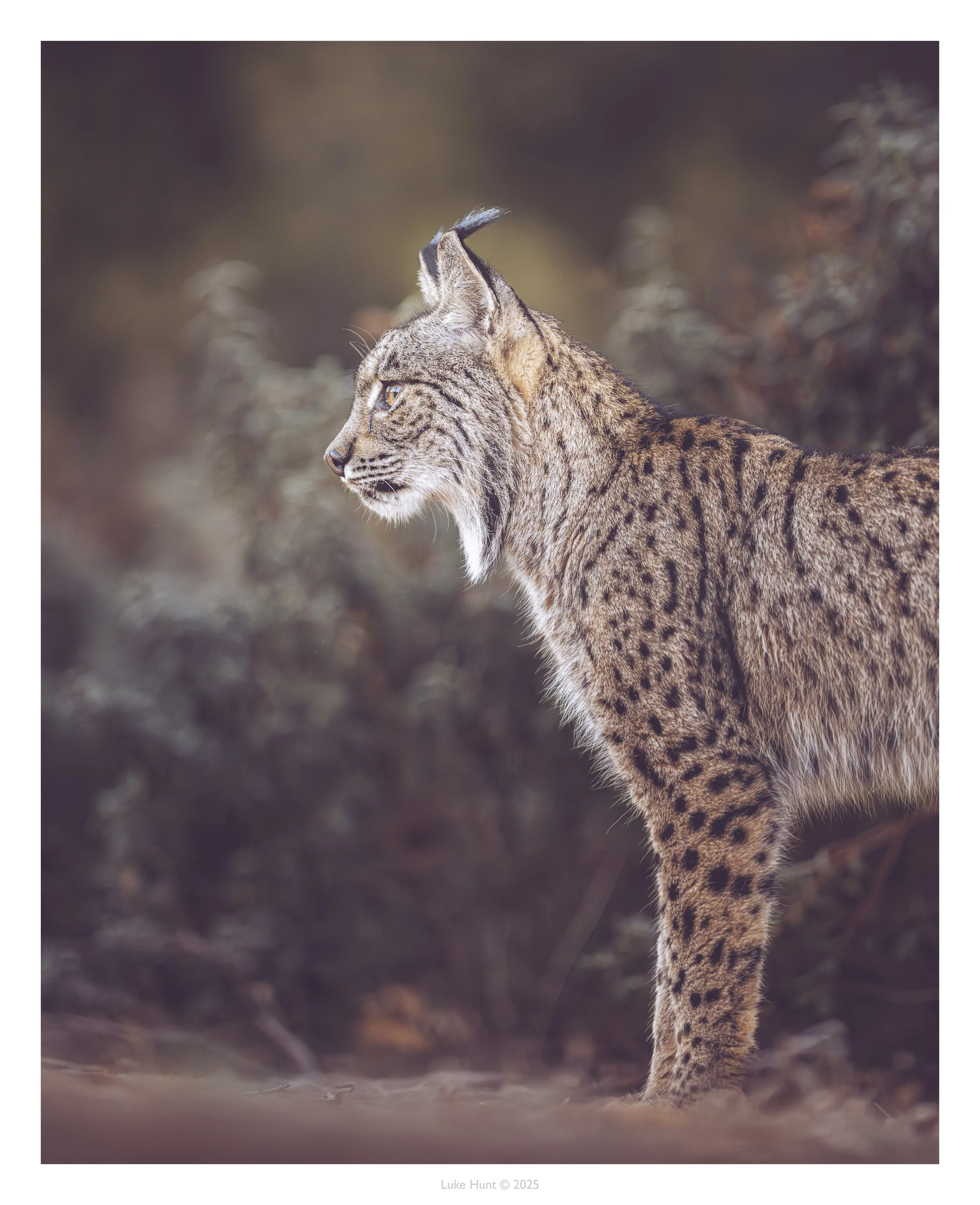
Timestamp: 08:26:10.
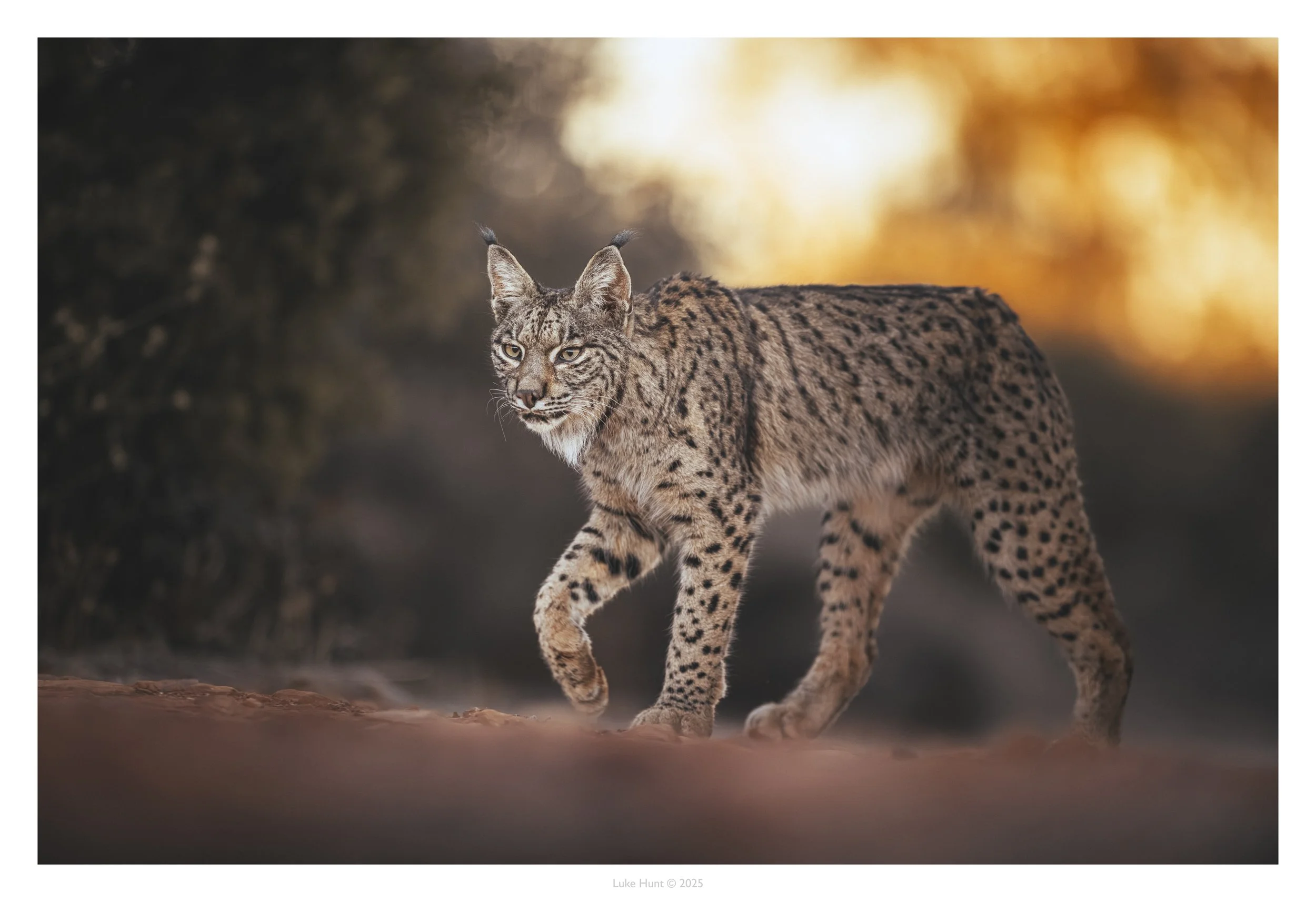
Less than a minute later 08:27:35 the lynx returned.
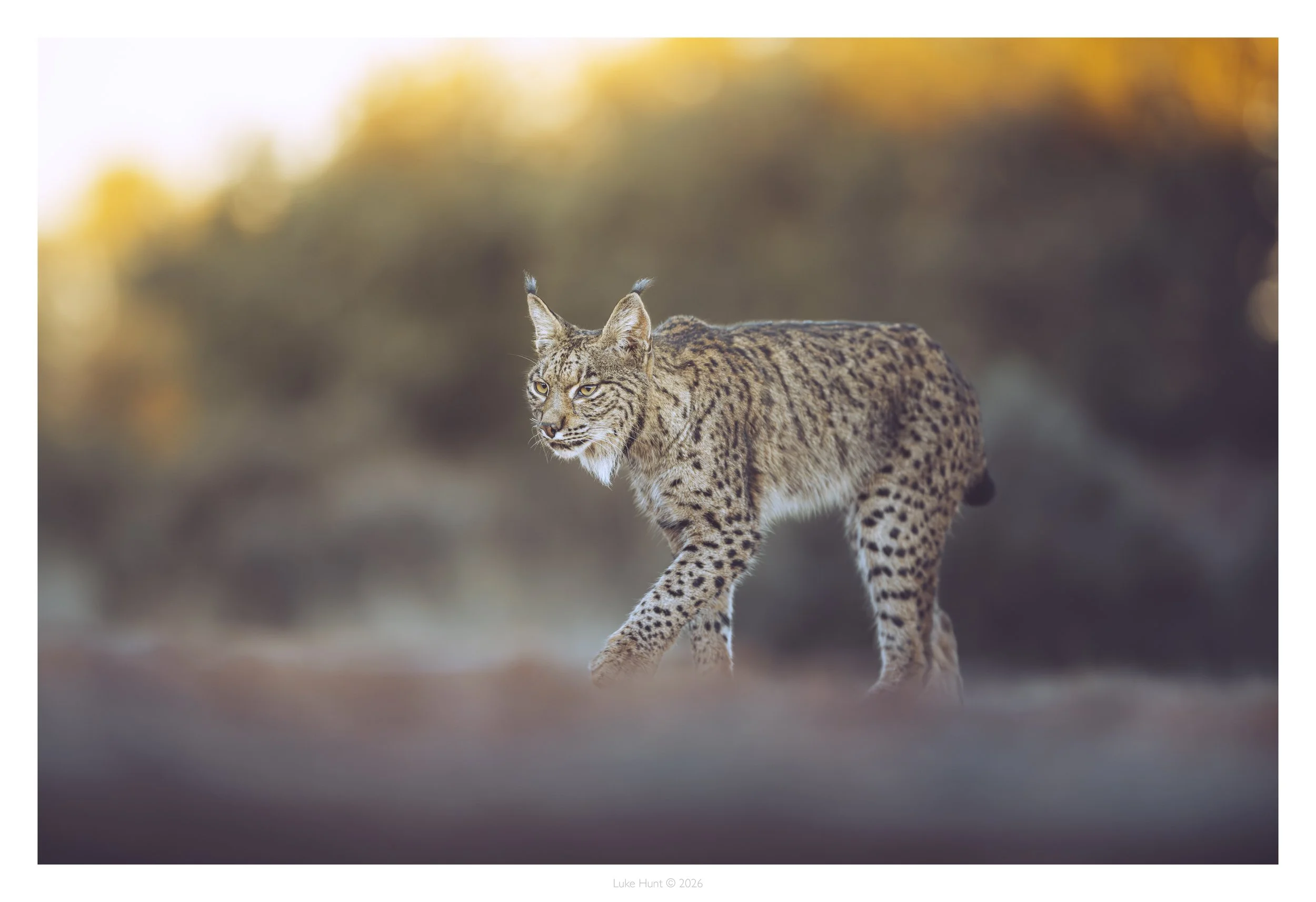
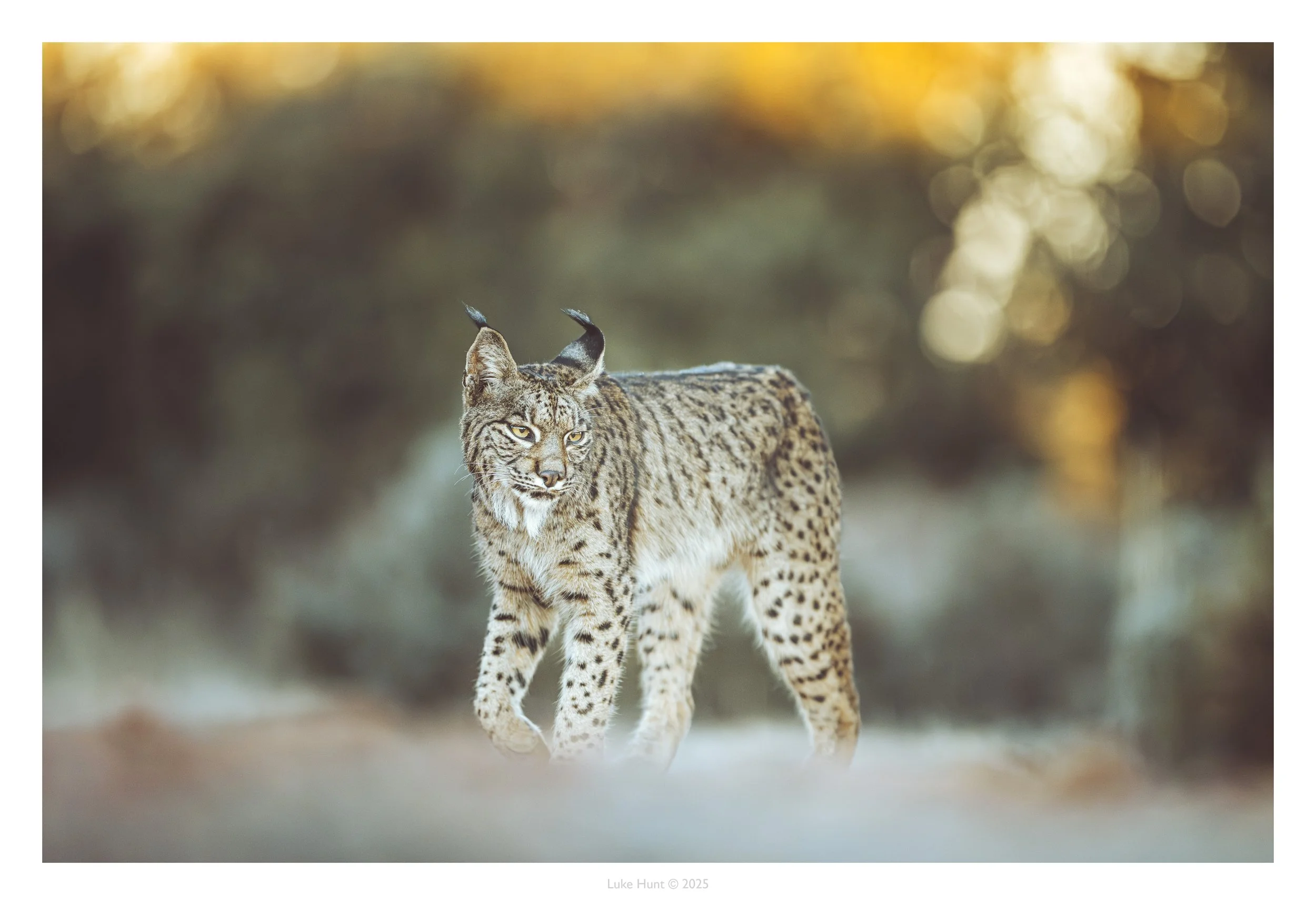
This time, it walked straight across the front of the hide, no more than 10 metres away, passing left to right before emerging beside the trees. A perfect view.
I realised I hadn’t lifted my finger from the shutter. Four hundred frames.
Whispers of cheers. Fist bumps. Demands to chimp.
The images were sharp. Focus nailed.
First lynx images bagged!
The Long Wait
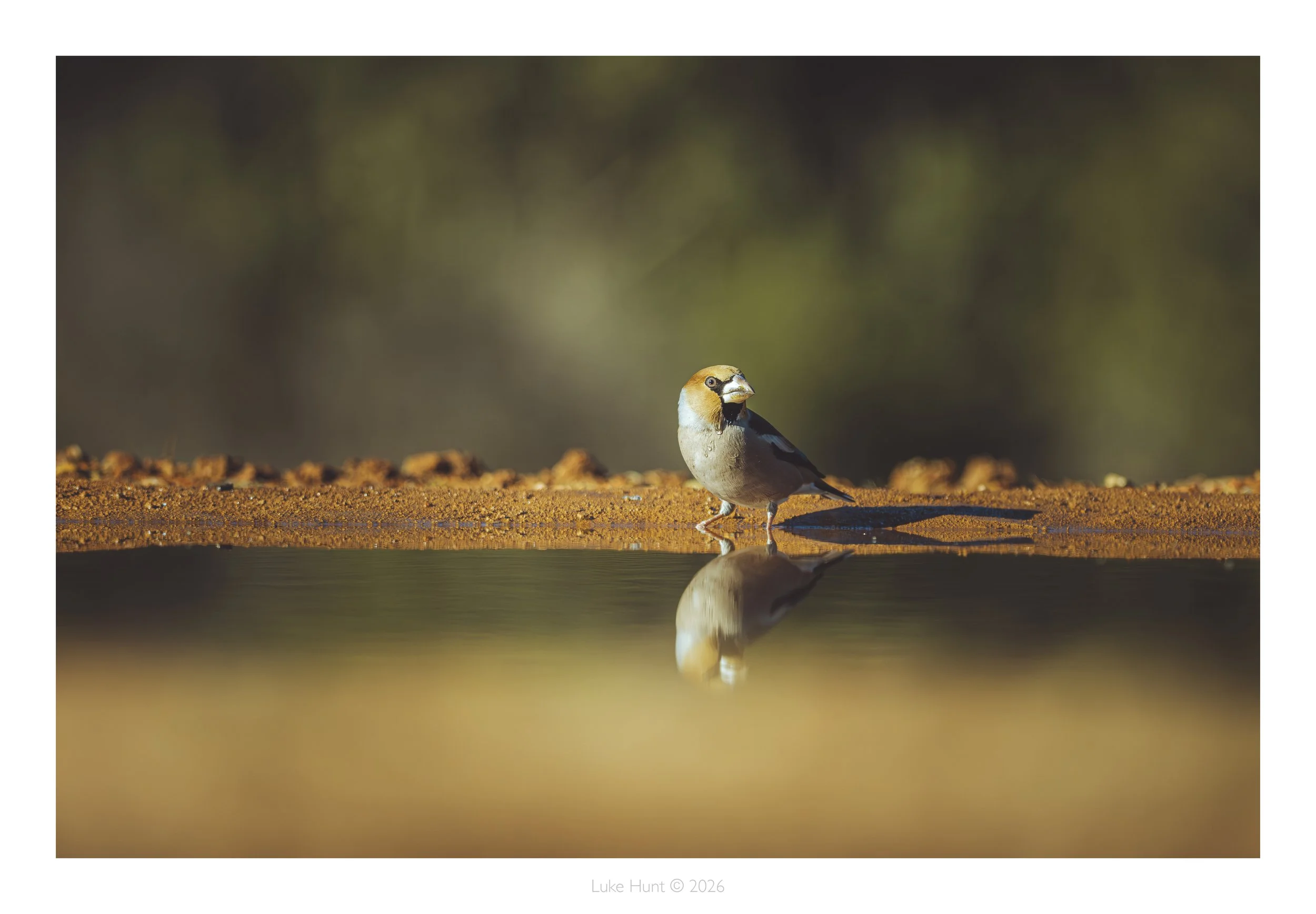
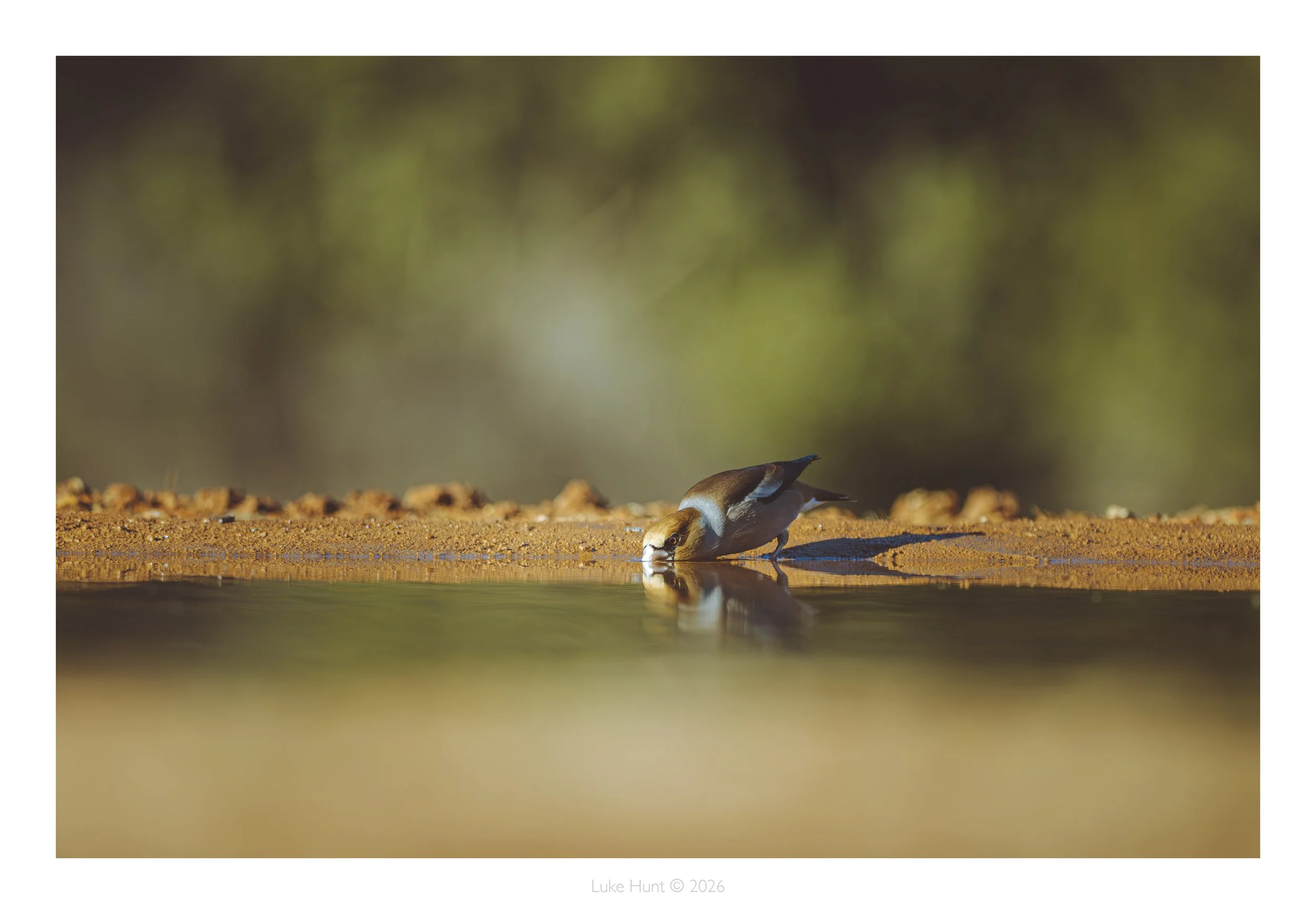
Still buzzing, we settled in for the long haul. Birds filled the hours: magpies, song thrushes, goldfinches, greenfinches, chaffinches, blue tits, great tits, blackbirds, thrushes, robins, all familiar British garden birds, somehow feeling out of place under the Spanish sun.
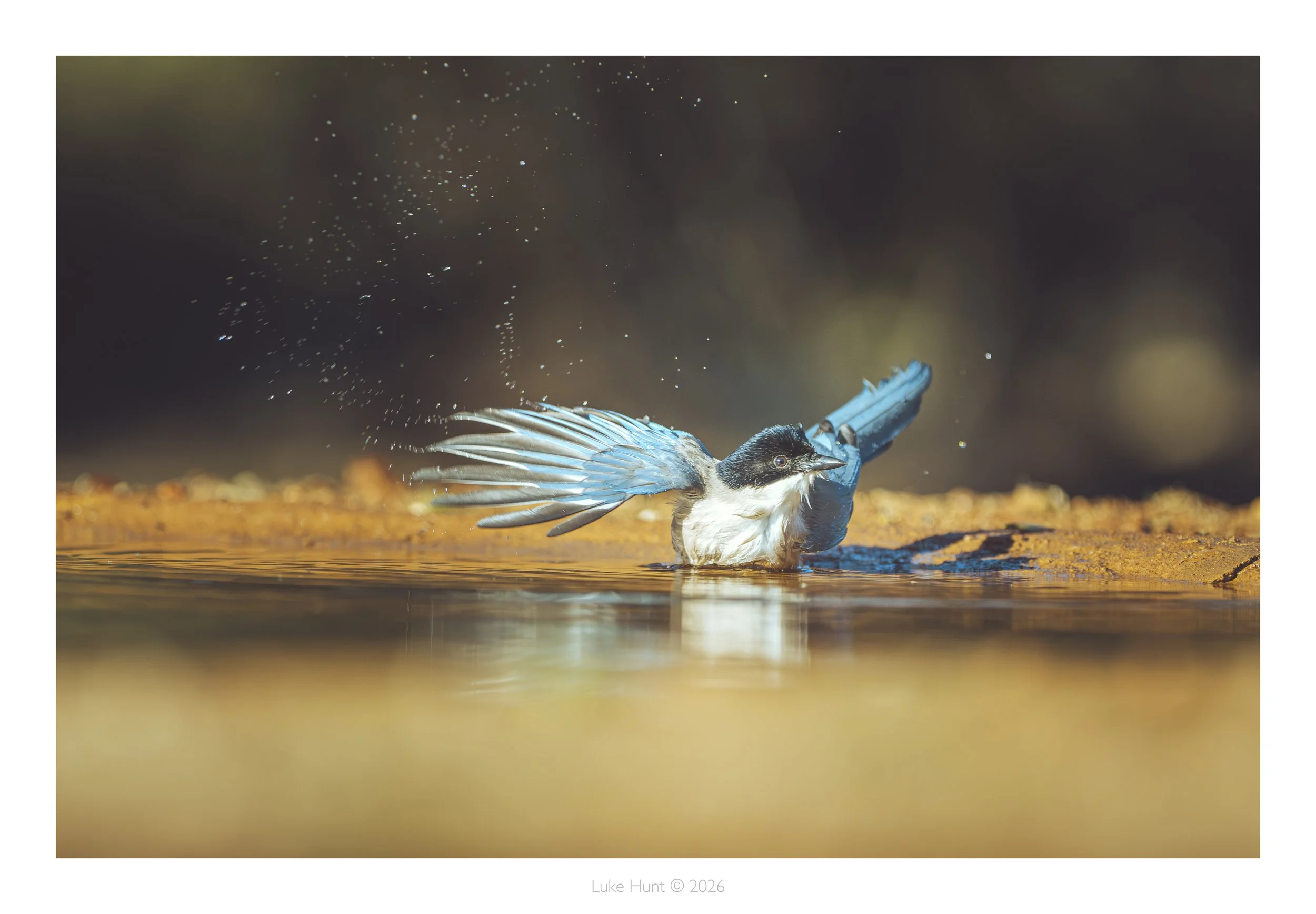
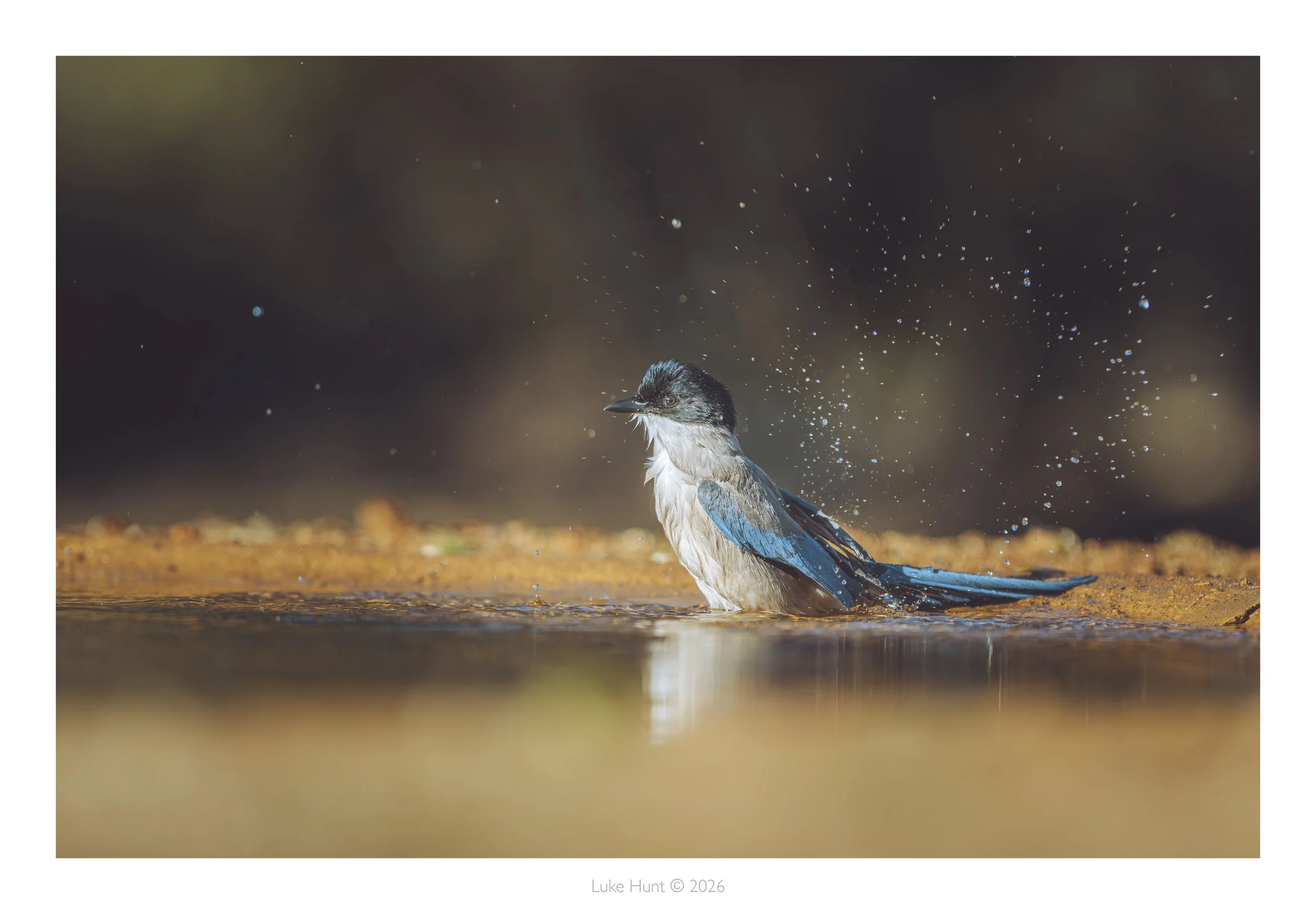
We were also treated to Iberian magpies, strikingly beautiful and bold, arriving in numbers to drink and bathe in the pool.
Lunch arrived around midday, delivered quietly to the hide. It gave us a chance to step outside, stretch our legs, and warm up in the sun. Griffon vultures and eagles circled high overhead, riding the thermals.
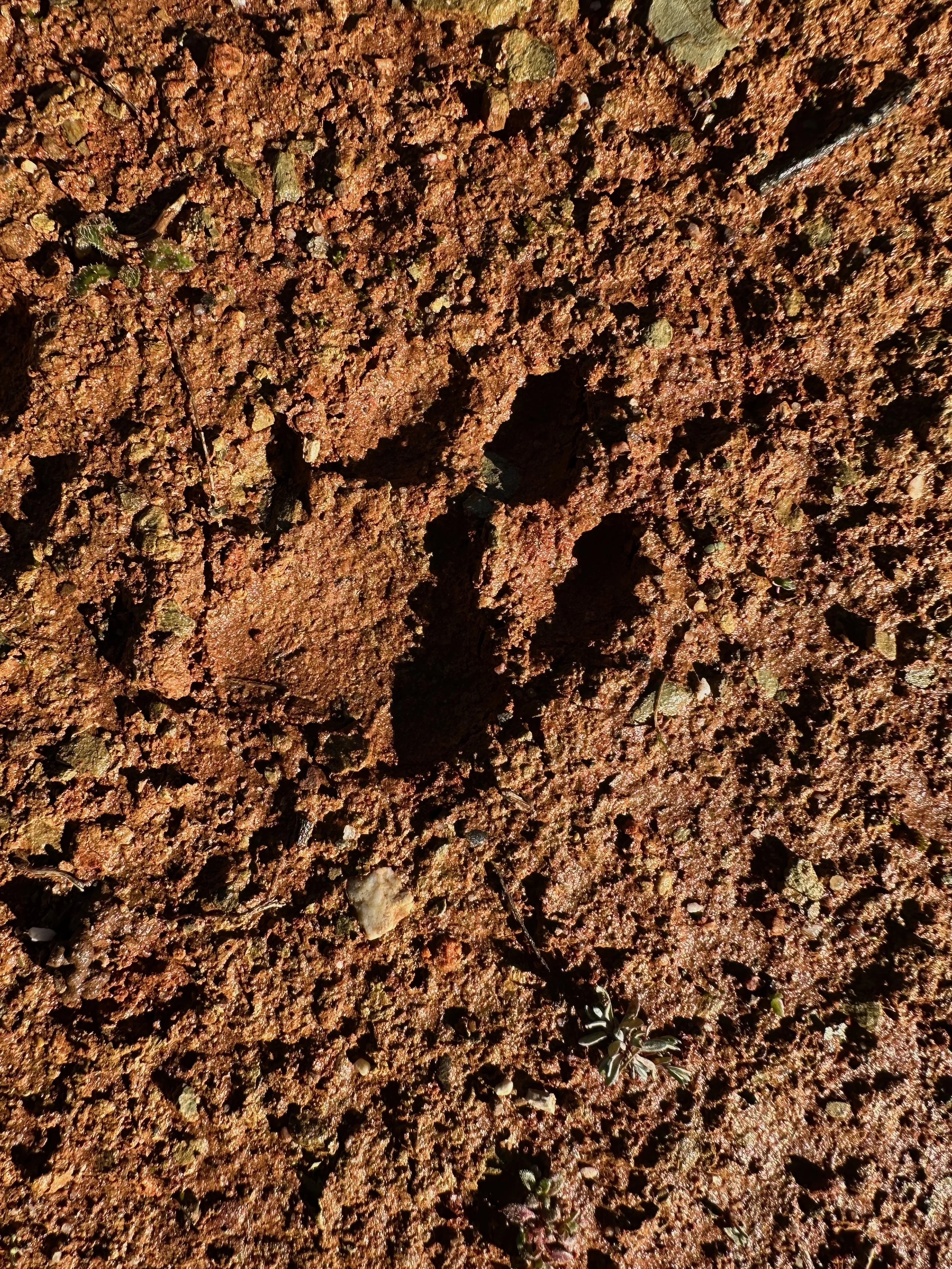
One of the staff showed us lynx tracks near the watering hole — impressively large, and very real.
Back into the hide.
Five hours down. Five to go.
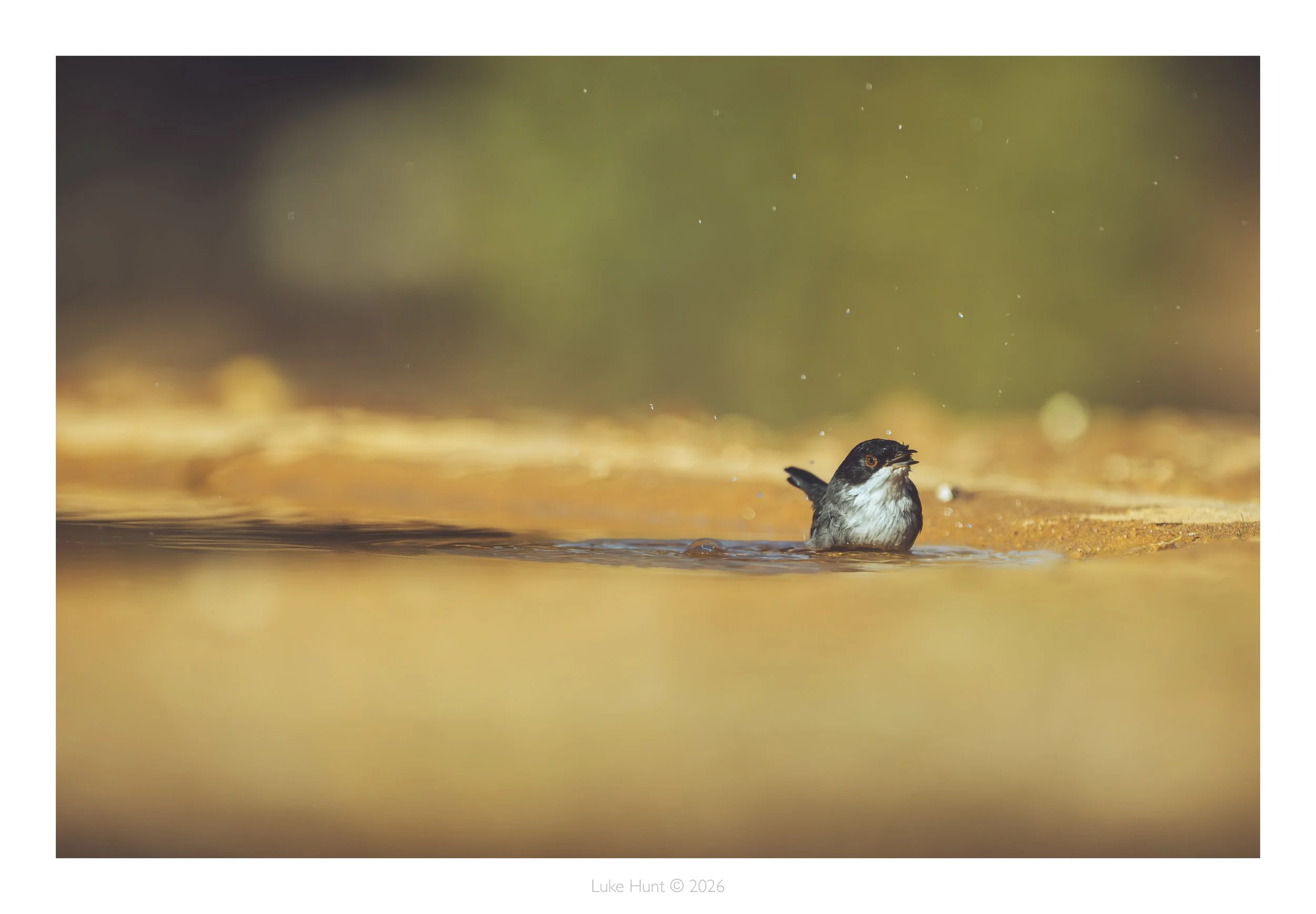
As the afternoon wore on, sightings slowed. Rabbits continued to appear — now affectionately referred to as “lynx dinners.” A red-legged partridge, pheasants, and a Sardinian warbler (confirmed by Adam, who knows his birds) rounded out the list.
At 4 p.m, the sun dropped lower and the light turned golden.
Then like a ghost a lynx appeared on the left of the hide.
It crossed the front, followed the line of bushes, and then stopped.
In an instant, everything changed.
Hunting mode.
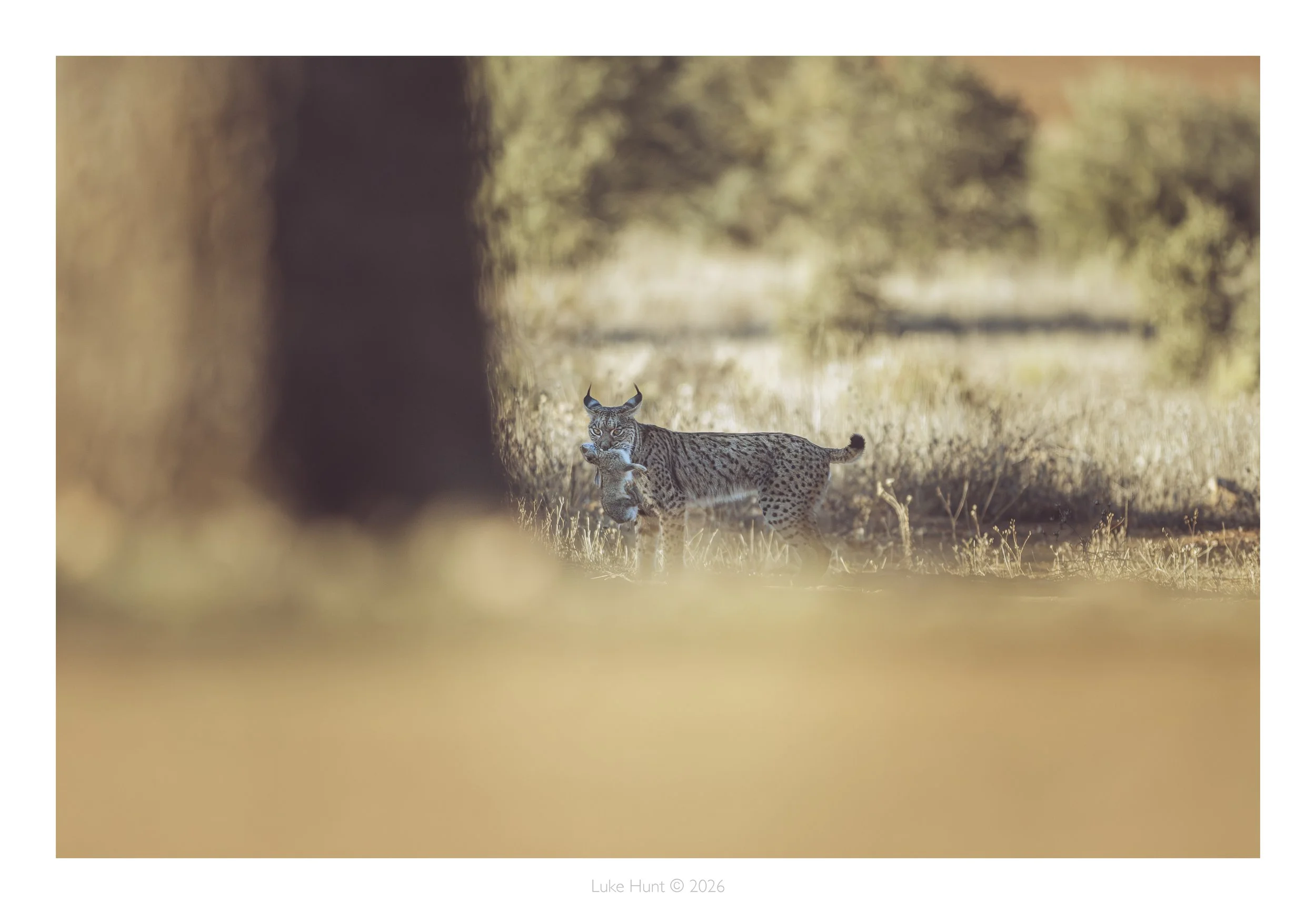
The lynx leapt into the brush and vanished.
Timestamp: 16:30:37
Three minutes later 16:33:30 it reappeared with a rabbit clamped in its jaws, parading its catch before disappearing once more.
We sat in stunned silence.
For the next hour and a half, we waited, hoping it might return for a drink.
Sadly It didn’t.
We were once again visited by the vibrant Iberian magpies came back to the pool.
At 6 p.m., we were collected from the hide and driven back down the dirt track to the minibus for returning to the hotel
Back at my room, I downloaded images, backed everything up, and set batteries charging before heading out for dinner.
At dinner we all wanted to talk about the lynx, the table buzzed with that electric mix of disbelief and relief that comes with bagging shots where nothing is ever guaranteed. It was the kind of shared excitement that dissolves tiredness and makes strangers feel like teammates.
Dinner done, was time to head back to the hotel for some well earned rest ready for the next days events, of course a cheeky edit of a few images was needed first.
11 p.m. lights out.
Part 1 ends here.
Part 2 and the rest of the story to follow soon: different hides, banta, changing weather, disappointment, and eventual redemption.
My Travel companions - Socials
These trips are more than just about the wildlife, they’re about meeting like minded people, who share a passion for nature and the outdoors and ultimately connecting each other, as such i have created links below to the instagram profiles of each the photographers in our group.
If you have enjoyed this blog, consider following these fellows, they have all contributed to such an amazing trip and equally incredible photographers